


.png)
Make your brand a main character: using character archetypes to shape your voice and copy
Most people’s brand copy is a little all over the place. It’s like they're changing outfits every five minutes because they’re not sure what suits them best.
Newsletter? A little cheeky.
Sales page? Suddenly corporate.
Social? Depends which mood you were in that day.
The result is your audience can't read your writing and immediately identify it's you.
They might like the ideas, but they don't walk away with a clear sense of the character behind the brand.
Character archetypes give you a constraint you can use on every piece of writing. You choose a specific role — Hero, Rebel, Sage, Jester, Caregiver, whatever fits — and you commit to that character whenever your brand speaks.
Instead of debating tone from scratch for every launch, you ask a simpler question: "If our brand is the [archetype], what would they say here?"
In this post, we're going to do three things:
- Choose the archetype that matches how you really show up with clients.
- Turn that archetype into a handful of voice rules you can apply across your copy.
- Walk through brands that stay in character, so you can see this working in the wild.
What brand character archetypes are
Carl Jung identified twelve character archetypes that show up across human storytelling — and then marketers said "okay but what if we applied this to laundry detergent" and here we are.
Archetypes are recurring character types that show up in stories over and over again. Brand strategy borrowed that idea and turned it into a practical tool: pick one of these characters as the core of your brand personality, then use it to guide your language, visuals, and decisions.
How to find your brand archetype
This is the part where people try to crown themselves Rebel or Magician because they like the aesthetic. Skip that, let's find the real you, BB.
1. What changes for your people after working with you?
Think about what's different after someone works with you or binge-reads your content.
- "I finally did the thing instead of just thinking about it." is a Hero
- "I finally understand what I'm doing." is a Sage
- "I finally stopped doing it the way everyone else told me to." is an Outlaw/Rebel
- "I finally don't feel like trash trying to figure this out." is a Jester, Everyman, or Caregiver
-
Pick the one that sounds most like your client testimonials.
2. What role do you naturally play?
Picture this: your brand walks into a bar, spots your favorite client, and slides into the seat across from them. What kind of energy hits the table?
- The "we're mapping this out on the back of the receipt, drink faster" friend. (Hero.)
- The "okay, tell me everything, we're going to untangle this" friend. (Sage.)
- The "baby, why are we still doing it their way?" friend, already drafting the escape plan. (Outlaw/Rebel.)
- The "you were stressed, now you're wheezing laughing and coming up with amazing plans" friend. (Jester.)
You already play one of these roles on calls, in DMs, and in your content. Own it instead of pretending you're "neutral and professional." You're not. (Nobody is.)
3. What's a hard no for you?
Your "absolutely nots" are just as revealing as your "yes, pls."
- "We're not soft here and we’re not gonna hold your hand." is probably not a Caregiver-led brand.
- "We're not pretending fake nice just to keep everyone comfortable." is probably not a full Innocent.
- "We're not doing 15-paragraph brand manifestos that don’t move people." is a Sage with sharper edges.
Your hard nos are a direct read into who your character is.
4. Pick one primary and one secondary
- Primary: your default setting, the one running everything.
- Secondary: the spice to add a little flavour.
For example:
- Outlaw/Rebel (primary) + Sage (secondary): "We'll identify what's not working in your current system, and show you exactly what to do instead."
- Hero (primary) + Jester (secondary): "We'll push you to do the hard thing and make sure it's not a miserable experience while you do it."
If you look at all twelve and see yourself in every single one, your brand hasn't committed to a point of view yet.
Pick a lead to start with and work from there.
The twelve archetypes to apply to your brand
The Hero drags people across finish lines they were convinced they couldn't reach. The copy is direct, active, and relentless — it assumes competence and refuses to coddle people.
The Outlaw/Rebel picks a fight with the way things are done. It identifies what's not working for the reader and invites them into the disruption. This is generally pointed at systems, not at people.
The Jester is always humor-forward, and the brands that execute it brilliantly use humor as the delivery vehicle while keeping the substance fully intact. Miss that and you've got a brand that's fun to follow and impossible to hire. (A cautionary tale for anyone who's ever gotten 400 likes and zero inquiries. lol.)
The Magician makes people believe anything is possible with the right support. If you've ever read a sales page and thought "I don't know what just happened but I'm giving them my card" — that was a Magician writing it.
The Creator is oriented entirely toward making something that didn't exist before. Every piece of copy asks: what could you build? The people who respond want to be pulled into making something.
The Caregiver is already in the room with you — tissues ready, no judgment, fully invested in your success before you've done a single thing to earn it. They believe in you completely, and also believe you're capable of doing the work.
The Sage educates and expects you to keep up. The copy is confident, clear, and thorough — the character implies they have something important to pass on, and they're right. If your clients are always forwarding your content to someone else, that's a Sage.
The Lover makes you feel something before it tells you anything. It's sensory and specific — every word is chosen for the feeling it creates, and you walk away wanting the thing before you've fully processed what the thing even is.
The Ruler is authoritative, precise, and — despite what you might assume — never cold. The language implies the reader has taste and the brand has standards, and these two things are a natural match. The Ruler doesn't explain itself or hustle for approval. Very "I didn't come to impress you, and yet here we are."
The Innocent is earnest and genuinely optimistic, and the hardest archetype to land without tipping into saccharine. It looks like the easiest one and is somehow the most technically demanding.
The Explorer is restless. The copy speaks to the part of a person that wants to go somewhere, find something, or be anywhere other than exactly where they are. Regardless of how you feel about the brand right now, Patagonia built an entire identity out of this feeling and then told people to buy less of their stuff. Peak Explorer.
The Everyman is comfortable with the ordinary and talks to people exactly where they are. The trap is making "relatable" the whole strategy, and then you end up with a brand everyone likes and nobody hires. Be warm but not wallpaper.
Don't cast your brand as the hero
This is where people hear "main character" and immediately take a wrong turn.
The reader is the main character. Your brand is the one making sure they look incredible getting there. They're the one trying to get somewhere, solve something, survive something, figure something out — they have the stakes.
Even when your archetype is Hero, the copy still has to keep the reader at the center. Otherwise you end up writing like the brand is the star of its own one-person show, and nobody came for that.
The easiest check: look at your copy and see who gets the most attention. If every sentence keeps circling back to your process, your brilliance, your method, your point of view, you've drifted. Bring the spotlight back to the person reading.
Main character energy works when the reader can see themselves inside the story. Your brand's job is to give them a role they want to step into and a guide they want to trust on the way there.
Example Brands that have their archetype so dialed in, it's almost annoying
Liquid Death — Outlaw/Rebel
Canned water — skull on the can, marketed like a heavy metal band. Liquid Death positioned itself explicitly against the wellness aesthetic — the soft earth tones, the inspirational font, the "nourish yourself, queen" energy — and replaced all of it with aggression, dark humor, and death imagery. "Murder your thirst." "Death to plastic." The product is water. The character is anything but, and that's what made it one of the fastest-growing beverage brands in the US. The Outlaw doesn't need a wild product in order to gain traction. Liquid Death proves that all you need is a clear enemy and the nerve to call that out repeatedly.
Duolingo — Jester
Duolingo's social presence is genuinely unhinged, and that's the whole point. Chaotic, self-aware, fully committed to the meme about how threatening their mascot is about your language learning streak. The brand took something that could've been a liability — people found the reminders kind of menacing — and made it the entire personality. Jester copy does this: finds the most awkward or embarrassing thing and makes a joke of it before anyone else can. The consistency is what makes it work. Duolingo commits to the chaos in every post, and that commitment IS the character.
Nike — Hero
"Just Do It" has been running since 1988 and still works, because Hero copy ages well when it's built right. Nike doesn't celebrate Nike — it celebrates the person reading it as someone capable of overcoming whatever they're facing. Every campaign takes that same character into a new story. When they feature athletes, the point is to show the reader what's possible for them. The character has stayed oriented toward the reader's potential for decades, which is why it still reads as a living brand.
Wendy's — Jester/Outlaw
Wendy's social presence became a case study because it had an opinion — in public, about other brands. Fast, self-aware, pointed without tipping into cruelty, which is harder to execute than it looks. The shade was amazing, but the consistency of it is what helps it stick.
How do you spot real life brand archetypes?
So, you've just read through twelve archetypes, thinking about your own brand this whole time. Which archetype do you think you've been reading from?
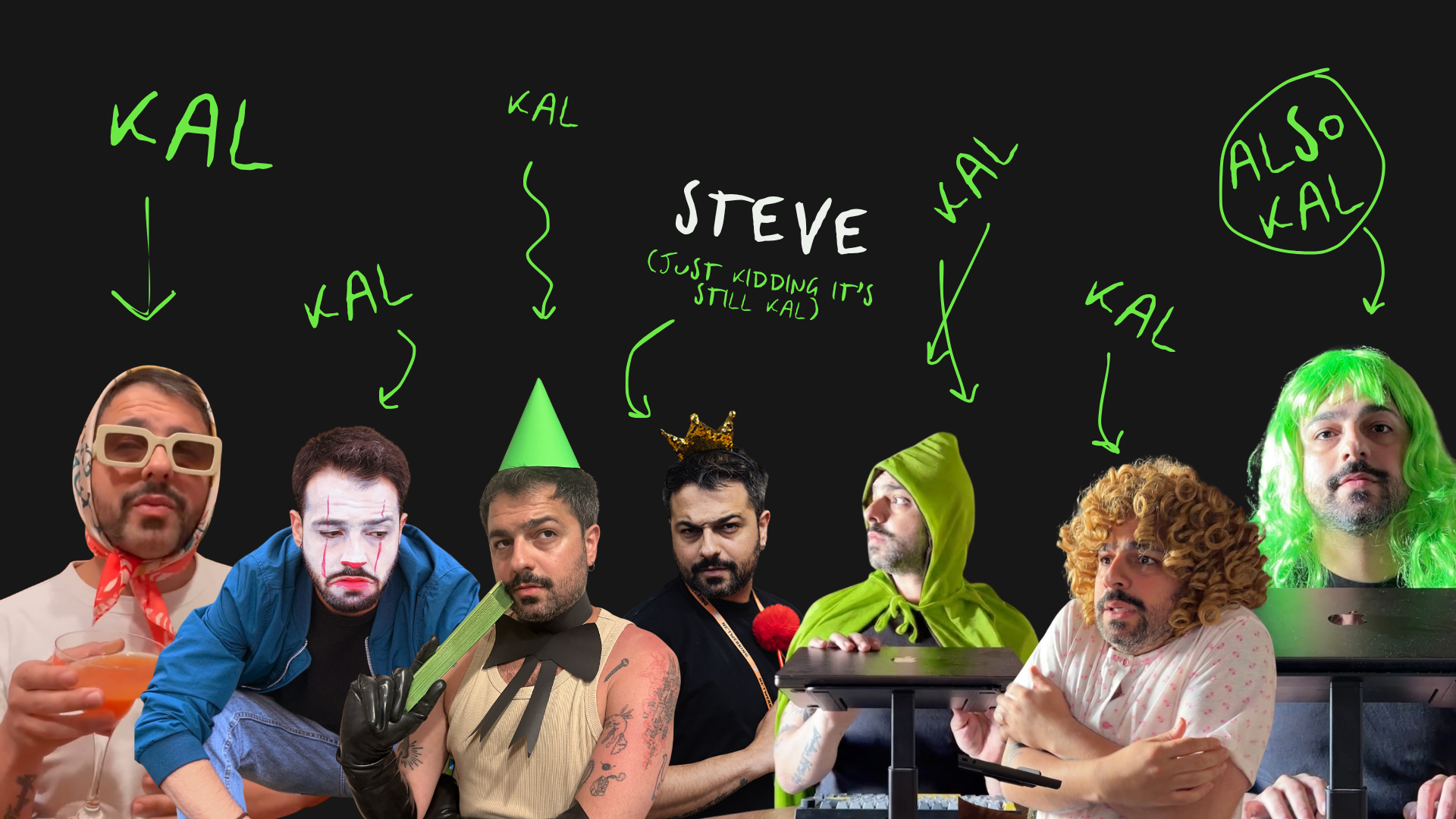
Outlaw/Rebel is the lead, and the Jester is the reason it's fun to read. And in classic Rebel fashion of not following rules, you'll often see a little Magician sprinkled here and there.
Outlaw/Rebel came from looking at why so much brand copy feels forgettable. Everyone gets told to smooth the edges, be professional, appeal to everyone, and the result is copy that's exactly like everyone else's. Every piece of copy that comes out of my brand has been, in some way, a rejection of that. It's how I challenge the norms, the status quo, and how I call in ideal clients who are ready to fight for their unique POVs and hot takes.
The Magician makes an appearance after the work is delivered. Clients come back describing a change in how they're reading their own copy, a new confidence in how it's reaching their audience, and where they want to take it.
The Jester is what makes the Outlaw easy to spend time with. It lowers the emotional barrier so that readers give the ideas a chance in their brains.
Where to go from here
Work through those four steps with your copy. Pull three or four pieces that feel most like you, and look for the archetype that's already showing up. You might spot a few, so try to find the one to two that are most prominent.
Once you've got it: write the character's core motivation, their biggest refusal, and the feeling they leave the reader with. That's your new brief! Now go out and tackle the world, queen!
FAQs
Can my brand have more than one archetype?
One primary, one secondary is recommended. When two archetypes are both trying to lead, the copy gets inconsistent and nothing quite lands the way it should. Pick your lead. Let the secondary add flavor.
What if the archetype I want doesn't match how I've been writing?
Then you have some work to do, and that's the most useful thing this exercise can tell you. Look at your best-performing content and see which archetype is showing up there — that one is usually the better starting point.
Do I need to tell anyone what my archetype is?
No. Your audience doesn't need to know the framework. They just experience the consistency in your copy without knowing what's behind it. The archetype is the operating system, not the bio.
Can your brand's archetype change?
It can, usually when the business itself changes meaningfully such as a new audience or new direction. If the character you've been writing from no longer feels right, take that seriously. A brand voice that's drifted from its archetype is one of the most common reasons copy starts feeling flat.
What's the difference between a brand archetype and a brand voice?
The archetype is the character's identity: the motivations, the core fears, the worldview. The voice is how that character expresses itself in writing. The archetype informs the voice — and that's exactly why starting with the character makes every voice decision easier.

